
Across the United States, interest in microdosing mushrooms has surged. From Silicon Valley professionals seeking creativity boosts to individuals exploring alternative approaches to mood and anxiety management, many Americans are experimenting with sub-perceptual doses of psilocybin mushrooms.
Microdosing refers to taking a fraction of a typical psychedelic dose — often so small it doesn’t cause hallucinations or significant changes in perception. Advocates report improved focus, productivity, and emotional balance. Critics caution that most evidence remains inconclusive, and long-term safety is unknown.
This article explains how microdosing works, why people try it, what the science says, safety considerations, and the legal landscape in the US.
Microdosing is the practice of consuming very small amounts of a psychedelic substance — most commonly psilocybin mushrooms — in amounts well below the threshold for noticeable hallucinogenic effects. Doses are typically between 1/10 and 1/20 of a standard recreational dose.
While LSD is also commonly microdosed, psilocybin mushrooms have become the focus of public interest, particularly in the US, where legislative changes are beginning to reshape their legal status.
People report turning to microdosing for:
Psilocybin interacts primarily with serotonin 2A receptors, which influence mood, cognition, and perception. At full doses, this interaction produces profound alterations in consciousness. At microdoses, some researchers suggest it may subtly support neuroplasticity and emotional regulation.
Controlled studies show mixed results. A 2024 review from the University of Basel on LSD microdosing found small improvements in mood and sleep, but no measurable effect on creativity. Observational studies often report greater benefits, but these are vulnerable to placebo and expectancy effects.
Important: The following is for informational purposes only. Microdosing remains federally illegal in the US.
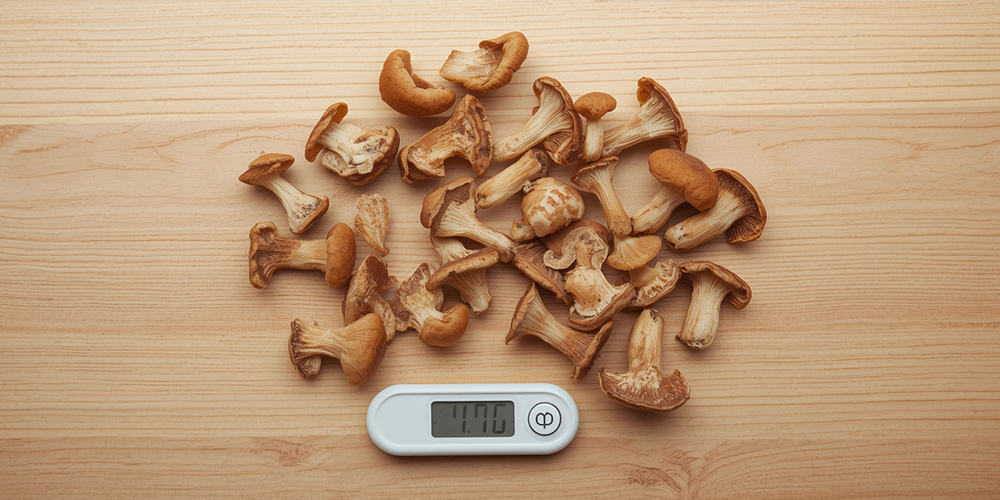
| Form | Typical Range | Notes |
| Dried mushrooms | 0.1–0.3 g | Potency varies by strain |
| Powdered mushroom capsule | 100–300 mg | Allows consistent dosing |
| Psilocybin extract | <2 mg psilocybin | Rare, used in research |
Stop immediately and seek professional help if you experience:
Psilocybin remains a Schedule I controlled substance, making possession or use illegal under federal law.
Some US cities have decriminalized possession of psilocybin mushrooms, including:
Key Takeaway: While enforcement may be lower in certain regions, psilocybin remains federally illegal, and possession still carries legal risk.
Professionals and students often cite increased idea flow and sustained concentration as benefits.
For those curious about other ways psilocybin is being consumed, you may also explore What Is Magic Mushroom Chocolate — And Why Use It, which highlights another trend gaining popularity.
Many hope microdosing can ease anxiety, depression, or trauma symptoms. While evidence is mixed, self-reports remain common.
Psychedelics are reemerging into mainstream wellness discussions, with clinical research and local policy shifts driving curiosity.
Keep track of:
Microdosing mushrooms continues to capture public imagination in the US. Some users report benefits for creativity, focus, and mood, while researchers emphasize that much of the evidence points to modest or placebo-driven effects.
While curiosity is growing, psilocybin remains federally illegal, and the long-term safety of microdosing is not yet understood. For those considering it, caution, self-monitoring, and awareness of legal risks are essential.
If you’re more interested in exploring the wellness aspects of psilocybin products, you can read Benefits of Magic Mushroom Bars, which examines potential advantages beyond microdosing.
1. How much is a microdose of mushrooms?
Typically 0.1–0.3 grams of dried mushrooms.
2. How often should you microdose?
Most protocols suggest once every 2–3 days, with rest days in between.
3. Does microdosing really work?
Evidence is mixed. Some studies show small benefits; placebo effects play a major role.