
Curiosity about magic mushrooms—often called shrooms—has grown rapidly as new research and changing regulations shine light on their potential benefits. Whether it’s curiosity about consciousness, therapy for depression, or simple exploration, more Australians are asking the same question: Are shrooms for me?
This beginner’s guide will help you understand what shrooms are, how they affect the brain and body, what the experience is like, the risks involved, and the legal situation in Australia. By the end, you’ll have the insight to decide—responsibly—if this journey aligns with you.
“Shrooms” refer to species of mushrooms that contain psilocybin, a naturally occurring psychedelic compound. Once ingested, psilocybin converts into psilocin, which interacts with serotonin receptors in the brain, altering perception and emotion.
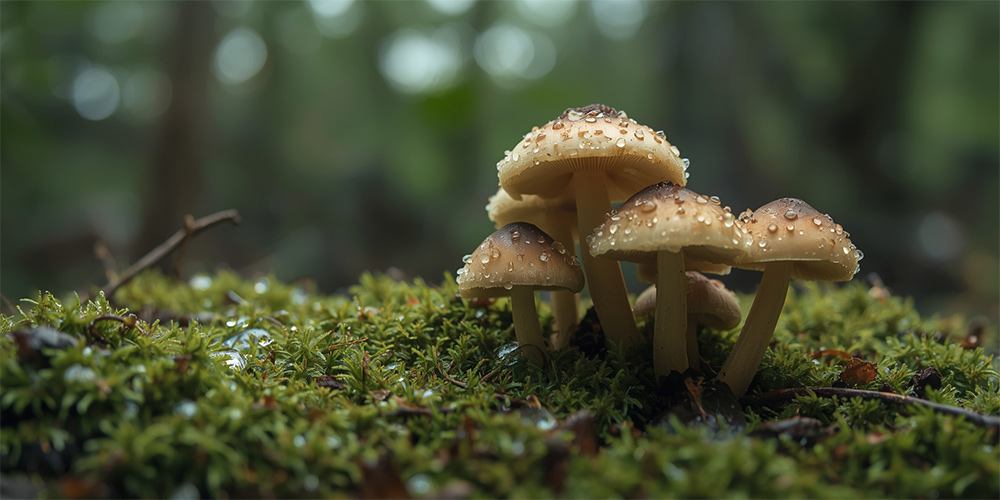
Common species include Psilocybe cubensis and Psilocybe subaeruginosa (the latter native to Australia). Humans have used psilocybin mushrooms for centuries in spiritual and healing contexts.
Key Takeaway:
Shrooms are naturally occurring psychedelic fungi that change perception and mood through psilocybin’s effects on serotonin pathways.
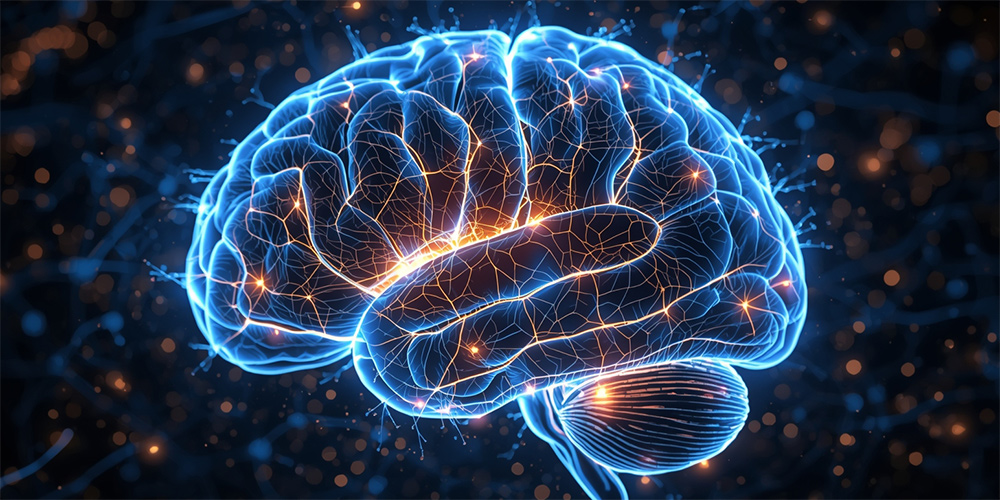
According to a 2023 study by researchers at Imperial College London, psilocybin decreases activity in the brain’s default mode network—often associated with rumination—and increases connectivity across regions, which may explain the sense of “expanded awareness.”
Typical effects include:
The experience generally lasts 4–6 hours: onset in 30–60 minutes, peak around the second hour, and gradual return by the fifth.
A 2024 Johns Hopkins University review found that when administered in clinical settings, psilocybin can induce lasting improvements in mood and openness. However, unsupervised use may lead to distressing psychological episodes.
Curious about how these experiences evolve over time? You can explore the Short-Term vs Long-Term Effects of Magic Mushrooms to understand how psilocybin impacts both the body and mind in different phases.
Key Takeaway:
Psilocybin temporarily reshapes neural connections, leading to deep perceptual and emotional shifts—sometimes enlightening, sometimes challenging.
People explore shrooms for a variety of reasons: curiosity, self-reflection, spiritual exploration, or as part of guided therapy. Clinical trials at the University of Melbourne (2024) have shown psilocybin can assist in treating treatment-resistant depression and PTSD under professional supervision.
Potential benefits: improved mood, decreased fear of death (reported in palliative-care studies), increased sense of connection.
Risks: panic, paranoia, confusion, or resurfacing of latent mental-health issues.
Key Takeaway:
The same substance that brings insight can also bring discomfort—mindset, setting, and supervision make all the difference.
| Consideration | Ask Yourself … | Why It Matters |
| Mental Health History | Do I have a personal or family history of psychosis, schizophrenia, or bipolar disorder? | Psilocybin can intensify underlying conditions. |
| Medications | Am I taking SSRIs, MAOIs, or antipsychotics? | These may dull or dangerously interact with psilocybin. |
| Mindset | Am I calm, curious, and emotionally stable? | Your inner state strongly influences the trip’s tone. |
| Environment | Can I ensure a safe, quiet space with a trusted sitter? | Setting shapes comfort and safety. |
Decision Tip:
If you answer “no” or “unsure” to any of the above, it’s best to pause, research more, or seek clinical guidance before experimenting.
| Focus | Day Before | Trip Day | After Trip |
| Sleep & Diet | Rest well, light meals | Avoid heavy or processed foods | Hydrate and eat lightly afterwards |
| Mindset | Reflect on your intentions | Stay open and relaxed | Journal insights and emotions |
| Setting | Prepare comfortable, safe environment | Have trusted sober sitter | Reflect or debrief with support |
Psilocybin content varies by species and preparation. As a general guide (for dried Psilocybe cubensis):
Start low, stay safe: Dosage, mindset, and environment determine experience quality more than strength.
For those curious about smaller, sub-perceptual experiences, our guide on Microdosing Mushrooms: How It Works explains the process, potential benefits, and safe approaches.

Psychological risks: anxiety, confusion, panic attacks.
Physical effects: mild nausea, pupil dilation, loss of coordination.
A 2023 review in Lancet Psychiatry found that bad trips are rare in supervised contexts but common in unsupervised or unprepared users.
Harm-Reduction Tips:
If Things Go Wrong:
Remember: the experience is temporary. Change lighting, breathe, and seek reassurance. If panic persists or physical distress occurs, seek immediate medical assistance.
Integration refers to making sense of what occurred during a trip.
Practical ways to integrate:
Integration is where the real growth happens—turning vivid moments into lasting understanding.
Psilocybin mushrooms have re-entered public conversation with scientific curiosity and renewed respect. Yet despite their potential, they are powerful tools that demand maturity, preparation, and awareness of the law.
If you’re drawn to explore them, start with knowledge, patience, and an honest look at your motivations and mental state. Whether your path leads to therapy, further research, or simple curiosity, understanding shrooms from a beginner’s perspective helps ensure your choices are both safe and informed.
1. Are shrooms safe for beginners?
In controlled doses and safe settings, serious harm is rare, but beginners should approach with caution and never mix substances.
2. How long does a trip last?
Typically 4 to 6 hours, depending on dose and metabolism.
3. What happens during a shroom trip?
Users may experience visual patterns, emotional waves, and changes in sense of time and self.