

Across the United States, “magic mushroom bars” have become a buzzword in wellness and counter-culture circles alike. These chocolate-based edibles infused with psilocybin — the psychoactive compound in psychedelic mushrooms — promise enhanced mood, creativity, and focus through microdosing. But are the benefits real, and are they safe or legal? As psilocybin research advances and state laws evolve, curiosity is growing rapidly. This article explores the scientific evidence, potential benefits, safety concerns, and current U.S. legal status of magic mushroom bars, providing a responsible and research-based perspective.
Magic mushroom bars are chocolate edibles infused with measured amounts of psilocybin extract. They’re designed to mask the mushroom taste, offer consistent dosing, and make microdosing more discreet. Importantly, these differ from functional mushroom bars that use legal varieties like lion’s mane or reishi. Psilocybin bars contain a controlled psychedelic substance that remains federally illegal. Their popularity stems from taste, convenience, and associations with productivity and emotional wellness — especially among creative and tech communities experimenting with microdosing.
For a deeper breakdown of how these edibles affect the body and mind, see our detailed guide on Magic Mushroom Chocolate Bar Effects.
Key Takeaway: Magic mushroom bars combine psilocybin and chocolate for palatable, discreet microdosing — but legality and safety remain complex issues.
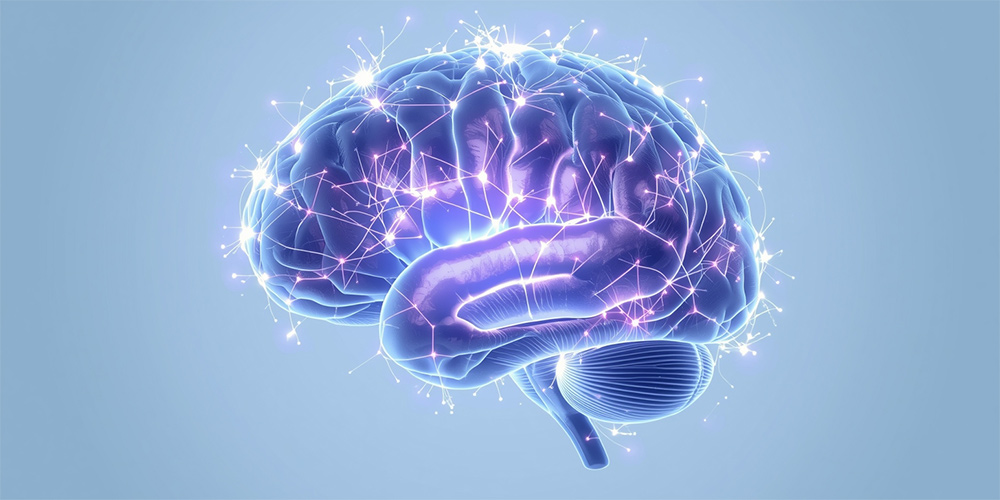
Psilocybin converts in the body to psilocin, which interacts with serotonin (5-HT2A) receptors. This alters brain network communication and can reduce activity in the default mode network (DMN) — the system linked to self-reflection and rumination.
A 2024 study by researchers at Yale University found that psilocybin enhances synaptic plasticity, helping neurons form new connections. This may underlie improved mood and creativity after use.
Research at Imperial College London (2023) showed psilocybin temporarily increases connectivity between brain regions involved in emotion and memory, allowing individuals to process experiences with greater openness.
Key Takeaway: Psilocybin temporarily “resets” brain communication pathways, which may support mood regulation and creative thinking.
While high-dose psilocybin therapy has strong evidence, edible microdosing remains under study. Here’s what science and observation currently suggest:
A 2023 clinical trial at Johns Hopkins University found that psilocybin-assisted therapy produced sustained mood improvements for treatment-resistant depression. Although bar doses are far smaller, users report milder mood elevation and reduced negativity.
According to 2024 neuroimaging studies at Imperial College London, psilocybin decreases amygdala reactivity — a brain region tied to fear — potentially reducing anxiety.
A 2023 University of Toronto placebo-controlled microdosing study reported enhanced divergent thinking and creativity scores among participants, though some effects may stem from expectancy.
Anecdotally, microdosers describe heightened attention and flow states. Early pilot research from UC Davis (2024) links microdosing to subtle improvements in sustained attention tasks.
Many users report increased empathy and self-acceptance. Neurobiological evidence shows psilocybin reduces ego-centric brain activity, fostering openness and connection.
While psilocybin bars may enhance mood, creativity, and focus, the broader science behind microdosing extends beyond edibles. Discover the full range of scientifically backed advantages in 10 Proven Benefits of Microdosing Mushrooms.
Scientific Snapshot: A 2024 Yale study found psilocybin enhances neuroplasticity, supporting emotional resilience and cognitive flexibility for several weeks after administration.
Key Takeaway: Preliminary evidence supports psilocybin’s ability to improve mood and cognition, though benefits from low-dose edibles require further confirmation.
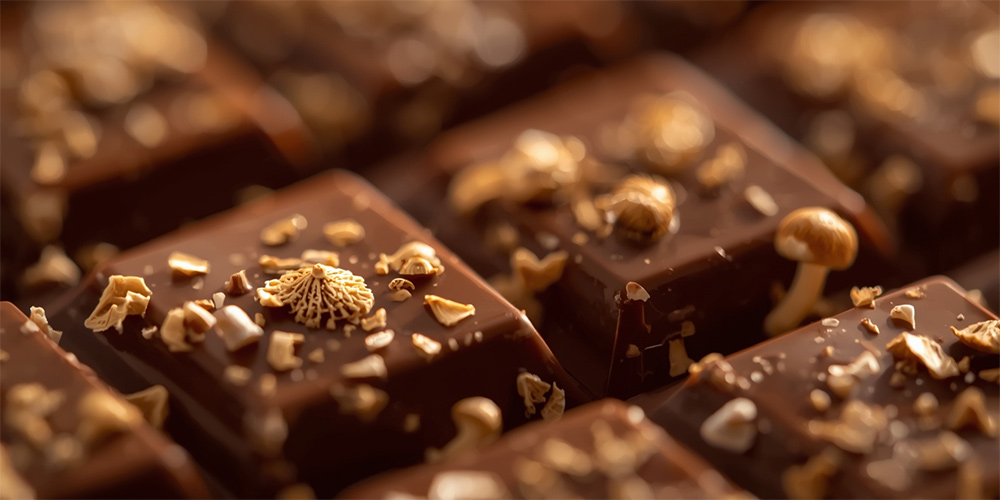
Psilocybin has been studied for depression, addiction, and end-of-life anxiety. However, microdosing — consuming sub-perceptual doses found in mushroom bars — lacks the robust evidence of full-dose therapy. Controlled trials show mixed results: The University of Toronto (2023) microdosing trial found mild cognitive benefits but also strong placebo effects. Johns Hopkins (2024) and Yale researchers emphasize that expectations may explain part of users’ self-reported improvements. Meta-analyses in 2024 suggest microdosing may enhance mood for some but is not a substitute for clinical therapy.
Key Takeaway: Scientific enthusiasm is justified but preliminary. Microdosing through bars is still more experiential than clinically validated.
Short-term effects can include nausea, elevated heart rate, light sensitivity, or anxiety. Psychological distress, paranoia, or panic can occur in sensitive individuals. People with a history of schizophrenia, bipolar disorder, or severe anxiety should avoid psilocybin entirely.
The U.S. Centers for Disease Control and Prevention (CDC, 2024) reported multiple hospitalizations from contaminated psilocybin chocolate bars, notably the Diamond Shruumz recall. Some bars contained synthetic analogues or toxins.
Improper labeling and child accessibility pose major hazards. Poison control centers warn that children have mistaken psilocybin bars for candy.
Safety Reminder: Always verify source purity, store products securely, and never use bars from unverified or illegal sources.
Key Takeaway: While psilocybin itself is low-toxicity, unregulated bars can pose serious contamination and legal risks.
At the federal level, psilocybin remains a Schedule I controlled substance, meaning it is illegal to possess, manufacture, or distribute. However, local reforms are reshaping access:
| State / Region | Status (2025) | Notes |
| Oregon | Legal for supervised therapy | First state to regulate psilocybin service centers |
| Colorado | Decriminalized | Therapeutic framework in rollout |
| California (Oakland, San Francisco) | Locally decriminalized | No retail sales allowed |
| Washington D.C. | Decriminalized | Personal possession deprioritized |
| Rest of U.S. | Illegal | Federal penalties still apply |
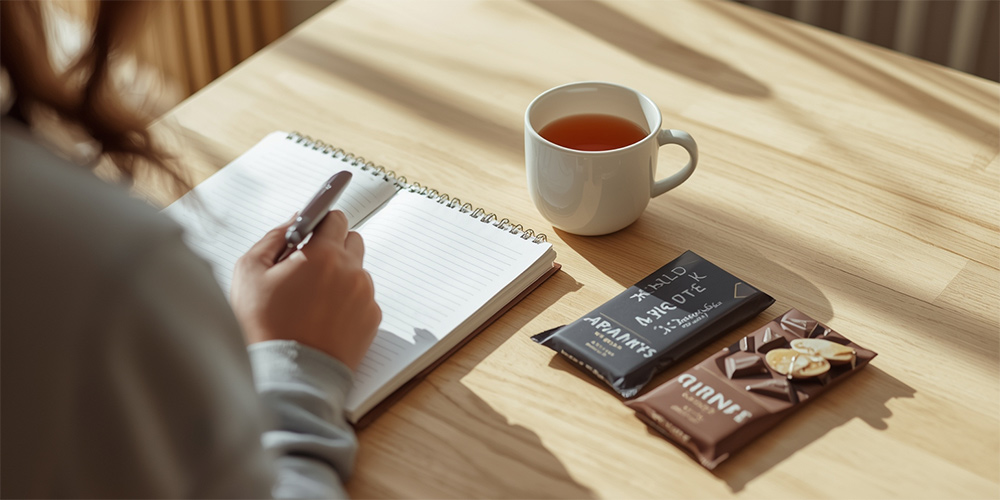
Although psilocybin products are illegal in most of the U.S., educational harm-reduction principles can prevent accidents and misinformation.
Microdosing typically equals 0.1–0.3 g dried-mushroom equivalent (about one-tenth of a common dose). Bars claiming “microdose strength” should indicate precise milligrams — vague labels are red flags.
Researchers emphasize mindset (“set”) and environment (“setting”) for safety. Quiet surroundings, supportive company, and reflective journaling can foster beneficial outcomes.
| Format | Pros | Cons |
| Chocolate Bars | Tasty, discrete, portion-controlled | Easy to overconsume; purity uncertain |
| Capsules | Accurate dosing, odorless | Delayed onset |
| Tea / Brew | Faster onset, natural | Bitter taste; dosage harder to control |
| Raw Mushrooms | Traditional, unprocessed | Strong flavor; variable potency |
Magic mushroom bars sit at the intersection of science, wellness, and legality. Research increasingly supports psilocybin’s therapeutic potential for depression and emotional growth, but edible forms remain unregulated and potentially unsafe when sourced illegally. As the U.S. moves toward broader psychedelic reform, education and caution are vital. Psilocybin’s promise is real — but so are the risks. Consumers and policymakers alike must balance innovation with responsibility.
1. Are magic mushroom bars legal in the U.S.?
Federally, no. Only Oregon and Colorado have partial legal frameworks for supervised or decriminalized use.
2. What are the real benefits?
Research suggests improved mood, creativity, and emotional resilience — though evidence for microdosing bars remains preliminary.
3. Can psilocybin chocolate help with depression?
High-dose psilocybin therapy shows promise in clinical settings, but edible microdosing needs further validation.