
Functional mushrooms are taking the wellness world by storm in the United States. From coffee blends that claim to boost focus to supplements designed for immune support, these fungi are gaining mainstream attention for their potential health-enhancing properties.
But what exactly are functional mushrooms, and how do they differ from ordinary mushrooms? In this comprehensive guide, we’ll break down what makes them “functional,” explore their most researched benefits, look at popular types, and discuss safety and usage — all backed by current scientific findings.
Functional mushrooms are varieties of fungi known for providing health benefits beyond basic nutrition. While culinary mushrooms are prized mainly for their taste and texture, functional species contain bioactive compounds — such as beta-glucans, triterpenoids, and antioxidants — that may support the immune system, brain function, and overall vitality.
They are not “magic mushrooms,” which contain psychoactive substances like psilocybin. Functional mushrooms are non-psychoactive, legal, and used for their potential adaptogenic and therapeutic effects.
Common examples include:
Key Takeaway: Functional mushrooms are nutrient-dense fungi with compounds that may enhance mental clarity, immunity, and resilience when consumed regularly.
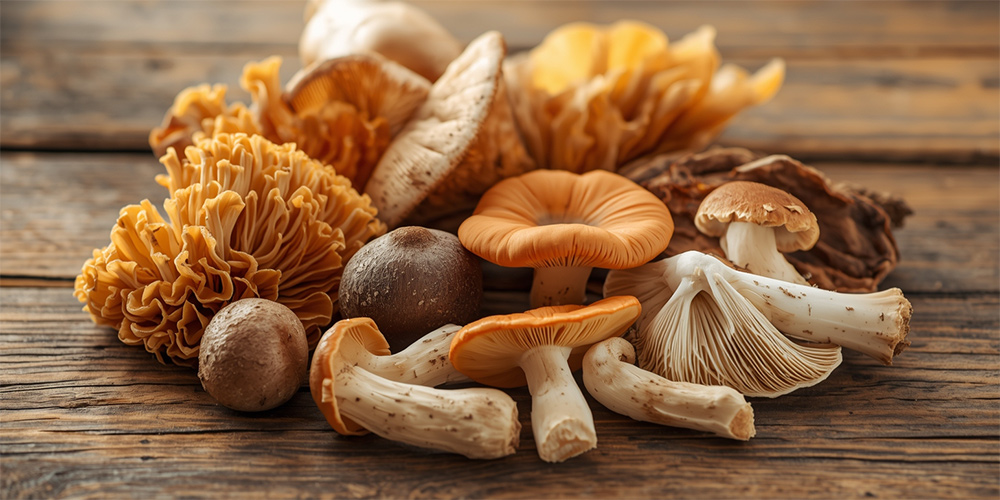
The secret behind functional mushrooms lies in their bioactive compounds — molecules that interact with the body’s immune, nervous, and endocrine systems.
A 2024 Journal of Nutritional Biochemistry study found that Lion’s Mane extract promoted neural growth factor (NGF) production, enhancing cognitive performance. Meanwhile, a 2023 review in Frontiers in Pharmacology suggested that Reishi’s triterpenoids could help regulate stress and inflammation.
Key Takeaway: Functional mushrooms interact with multiple body systems, potentially supporting immune balance, brain health, and energy metabolism.
| Mushroom | Primary Benefit | Recent Research | Common U.S. Use |
| Reishi (Ganoderma lucidum) | Immune support, stress reduction | 2023 Journal of Ethnopharmacology | Found in teas, tinctures, and capsules |
| Lion’s Mane (Hericium erinaceus) | Cognitive function, memory, focus | 2024 Kyoto University study on neurogenesis | Featured in mushroom coffee blends. Learn more in our full guide on the Benefits of Lion’s Mane |
| Cordyceps (Cordyceps militaris) | Energy, endurance, oxygen use | 2023 Peking University human trial | Used in athletic performance supplements |
| Chaga (Inonotus obliquus) | Antioxidant and immune defense | 2022 University of Alberta research | Added to teas and wellness powders. Read more about the Benefits of Chaga |
| Turkey Tail (Trametes versicolor) | Gut and immune support | 2023 NIH meta-analysis | Common in immune-boosting supplements |
| Shiitake (Lentinula edodes) | Heart and immune health | 2024 Japanese Agricultural University study | Used in both cooking and capsules |
Tip: When buying supplements, look for products labeled with the mushroom’s Latin name and verified by third-party testing for quality assurance.
Although they come from the same kingdom, their effects are entirely different.
| Aspect | Functional Mushrooms | Magic Mushrooms |
| Active Compounds | Beta-glucans, triterpenoids, polysaccharides | Psilocybin (psychoactive) |
| Primary Effect | Health and wellness support | Alters perception and mood |
| Legal Status (U.S.) | Legal in supplements | Federally illegal (some local exceptions) |
| Purpose | Cognitive, immune, and stress support | Psychedelic or therapeutic experiences |
Key Takeaway: Functional mushrooms are completely non-psychoactive and can be safely incorporated into daily nutrition.
Growing evidence supports their potential role in modern health and wellness.
A 2023 Frontiers in Pharmacology meta-analysis found that beta-glucans in Reishi and Turkey Tail mushrooms enhance macrophage activity and natural killer cell function — key players in immune defense.
A 2024 study from Kyoto University showed that Lion’s Mane may stimulate nerve growth and protect against cognitive decline.
Cordyceps extract improved oxygen efficiency and athletic endurance in a 2023 Peking University clinical trial — making it popular among U.S. fitness enthusiasts.
According to 2022 University of Alberta research, Chaga’s high antioxidant content helps reduce oxidative stress and inflammation.
Key Takeaway: Research continues to confirm functional mushrooms’ roles in supporting immunity, focus, and energy — though dosage and individual responses vary.
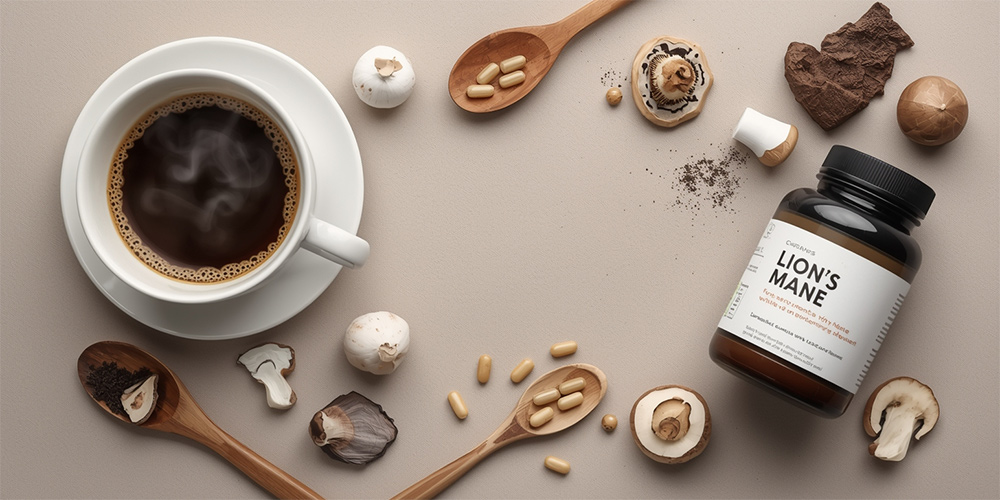
Available at most major health food stores, supplement retailers, and online wellness brands. Look for organic certification and transparent labeling to ensure potency and purity.
Tip: Check for U.S.-based quality assurance seals such as USP or NSF certifications when possible.
Most functional mushrooms are safe for healthy adults. However, side effects can include:
A 2023 World Health Organization review on functional foods emphasized the need for consistent dosage standards and consumer education on quality sourcing.
Warning: Always discuss new supplements with your doctor, especially if you are pregnant, breastfeeding, or managing chronic health conditions.
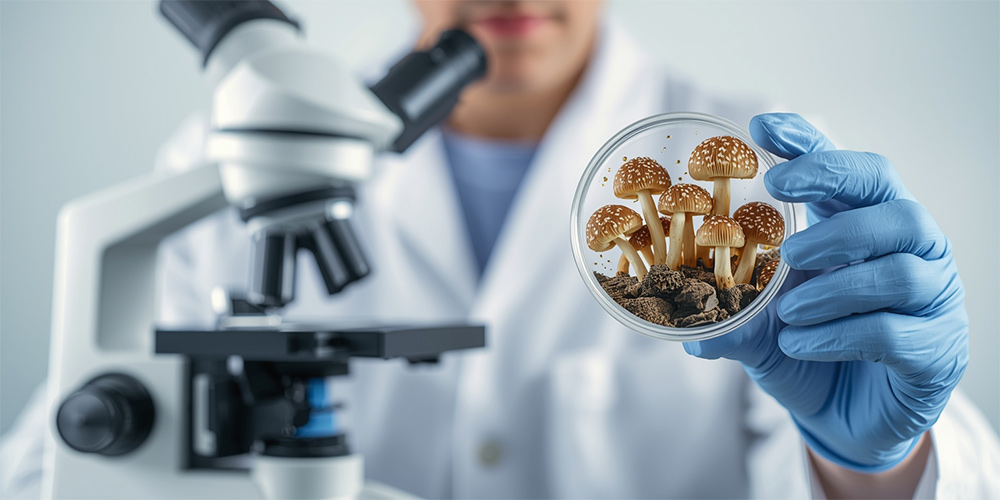
The U.S. wellness market continues to embrace functional mushrooms as part of a broader shift toward natural, evidence-based nutrition.
From high-end cafés offering mushroom lattes to major supplement brands including Reishi and Lion’s Mane in their formulas, consumer demand is rising fast.
Research institutions such as the National Institutes of Health and the University of California system are conducting ongoing trials to explore their therapeutic potential in stress, cognition, and immunity.
Key Takeaway: Functional mushrooms are not a trend — they represent a growing category of natural bioactive foods with both ancient roots and modern scientific validation.
Functional mushrooms combine centuries of traditional use with modern scientific research. They offer a natural, non-psychoactive way to support immune balance, cognitive health, and vitality.
For Americans seeking safe, plant-based wellness solutions, functional mushrooms may be one of nature’s most potent allies — versatile, evidence-backed, and easy to integrate into everyday life.
1. What are functional mushrooms used for?
They are taken to support immunity, focus, stress resilience, and overall well-being.
2. Are functional mushrooms safe for daily use?
Yes, most are safe in moderate doses. Consult your healthcare provider for personalized guidance.
3. Which mushroom is best for brain health?
Lion’s Mane is most researched for its cognitive and neuroprotective benefits.