
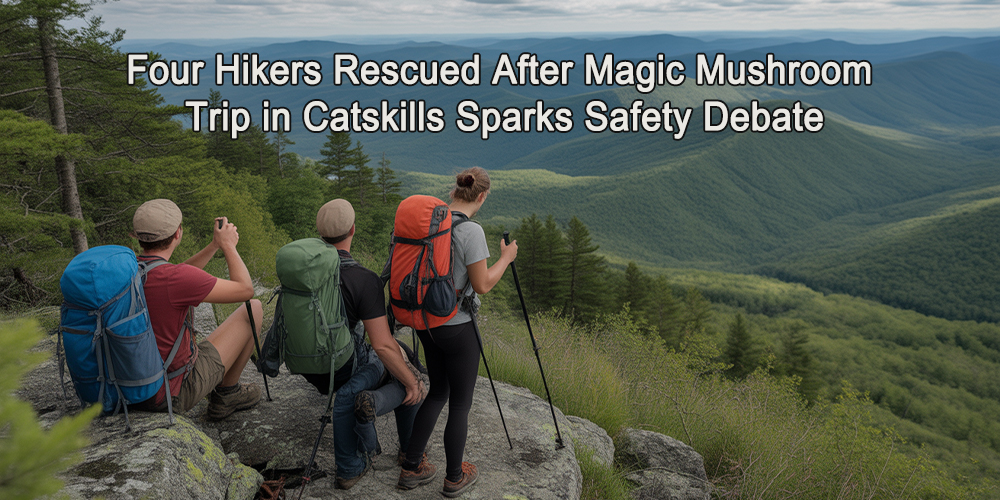
Four hikers were rescued in New York’s Catskill Mountains after becoming incapacitated from consuming magic mushrooms, a dramatic incident that highlights the growing tension between recreational psilocybin use and public safety. The rescue, confirmed on September 9, comes at a time when psychedelic policies across the U.S. are shifting rapidly, raising urgent questions about regulation, education, and the risks of unsupervised trips in challenging environments.
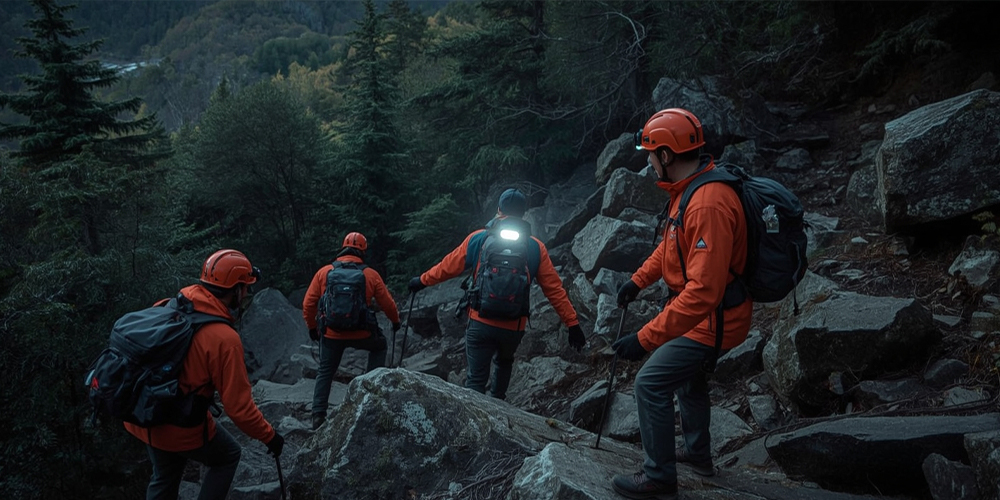
According to state officials, a group of four hikers set out on a popular Catskills trail when one member of the party experienced what authorities described as a “debilitating high” after ingesting psilocybin mushrooms. Stranded on steep terrain and unable to continue safely, the group called for emergency assistance. Search and rescue teams deployed in rugged conditions and successfully extracted all four hikers without fatalities.
The Catskills, known for their difficult trails and frequent rescues, see hundreds of emergency calls each year. But this incident underscores a growing challenge for first responders: substance-related emergencies in wilderness areas, where even minor impairments can quickly become life-threatening.
Psilocybin—the psychoactive compound in magic mushrooms—is increasingly celebrated for its potential therapeutic benefits. Clinical trials show promise in treating depression, PTSD, and addiction, and states such as Oregon and Colorado have legalized supervised use in regulated settings.
But outside controlled environments, risks remain high. Recreational users may underestimate dosage, misinterpret the intensity of effects, or attempt high-risk activities—like mountain hiking—while impaired. “The compound itself is not inherently dangerous,” explains Dr. Alan Marcus, a New York–based psychiatrist specializing in psychedelic research, “but context is everything. In an unsafe setting, the risk skyrockets.”
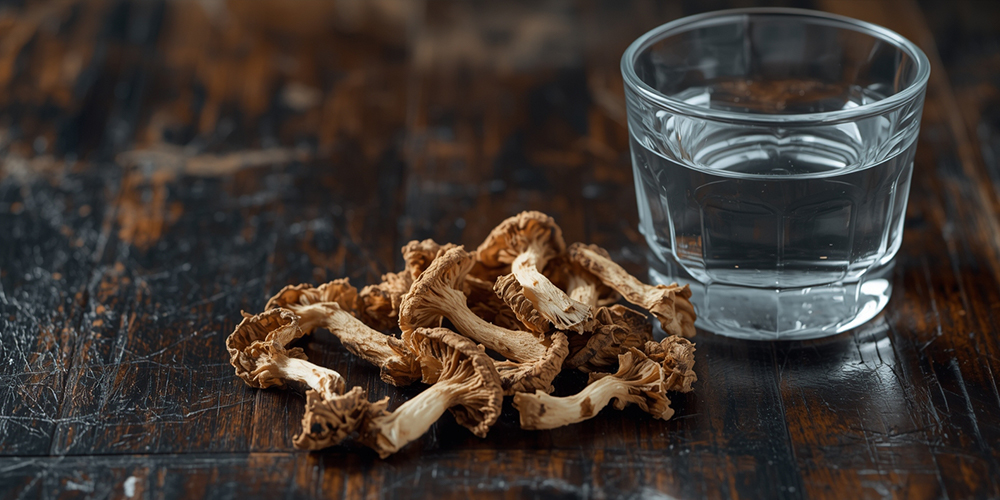
Data suggests psilocybin use is rising sharply in the U.S. The National Survey on Drug Use and Health reported that over 5.5 million Americans used hallucinogens in 2023, with psilocybin ranking among the most common. Emergency room visits tied to hallucinogen use have increased as well, particularly in urban centers and outdoor recreation hubs.
In New York State, search and rescue teams report a surge in incidents tied not just to inexperience or poor preparation, but also substance impairment. For wilderness safety officials, psychedelics represent a new and unpredictable variable.
The Catskills incident lands amid a national debate on psychedelics. While Oregon’s psilocybin service centers are now operating under a licensed model, Colorado issued its first facilitator licenses in March 2025, and New Mexico is moving forward with its own therapeutic framework.
Meanwhile, recreational use—especially in unregulated contexts—remains illegal and fraught with safety risks. Lawmakers and regulators face a pressing challenge: how to expand therapeutic access while mitigating the dangers of misuse in risky environments.
“This is the policy tension in real time,” says policy analyst Michelle Torres of the Psychedelic Policy Institute. “The same compound that can help a veteran with PTSD in a clinical setting can also leave a hiker stranded on a cliff if taken recklessly. Regulation has to bridge that gap.”
The Catskills rescue is likely to intensify calls for public education campaigns around psychedelics. Advocates stress that responsible use requires set, setting, and support—three factors absent in most recreational contexts. Critics, meanwhile, warn that increased normalization of psilocybin may encourage risky experimentation.
For now, the U.S. stands at a crossroads: balancing groundbreaking therapeutic potential with the sobering realities of misuse. The fate of psychedelic policy may depend on whether lawmakers can craft nuanced regulations that protect both innovation and public safety.