
Psilocybin — the psychoactive compound found in “magic mushrooms” — is being hailed by some as the most promising psychiatric breakthrough in decades. From clinical trials at major universities to billion-dollar biotech startups betting on psychedelic medicine, the enthusiasm is undeniable.
Yet behind the hype, a growing number of clinicians and researchers are urging caution. They warn that the evidence base remains incomplete, and that widespread cultural excitement risks outpacing science.
As the U.S. grapples with rising rates of depression, PTSD, and addiction, the question looms: is psilocybin truly the next frontier in mental-health care, or are we once again mistaking a “magical” narrative for medicine?
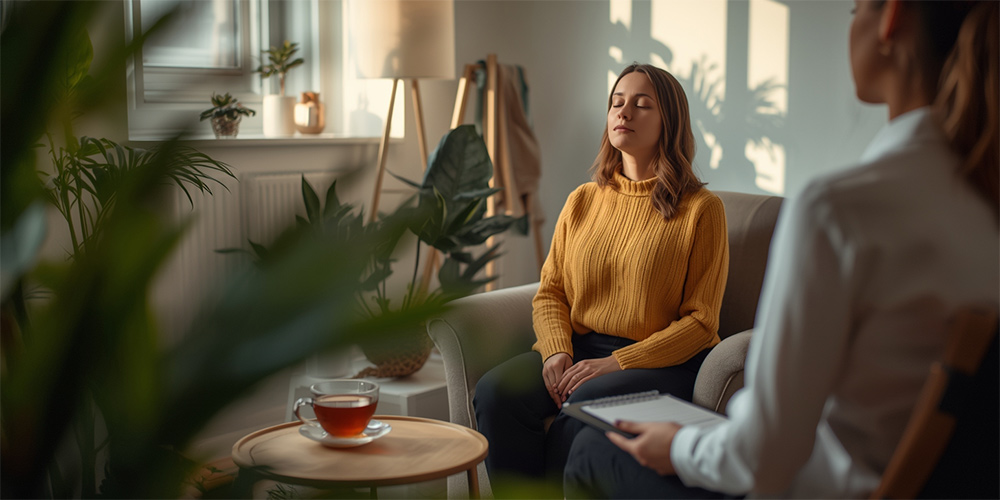
The case for psilocybin as a therapeutic tool is supported by a wave of promising studies. Johns Hopkins, Yale, and NYU have published data showing that, under controlled conditions and with professional guidance, psilocybin can deliver profound and lasting relief from depression, end-of-life anxiety, and certain addictions.
In one of the most frequently cited trials, a 2020 Johns Hopkins study reported that 71% of participants experienced a “clinically significant” reduction in major depressive symptoms four weeks after psilocybin-assisted therapy — a result unmatched by conventional antidepressants.
The mechanism appears to go beyond serotonin receptor activation. Neuroimaging suggests psilocybin “resets” key brain networks involved in rumination and fear processing. Patients often describe the experience as “re-wiring” their outlook on life.
It’s no surprise, then, that the FDA granted psilocybin “Breakthrough Therapy” designation for treatment-resistant depression. Oregon and Colorado have already legalized supervised psilocybin sessions, and several other states are exploring similar frameworks.
Investors, too, have taken notice: the psychedelic therapeutics market is projected to reach $7.3 billion by 2032, according to Data Bridge Market Research.
But many psychiatrists remain skeptical. While psilocybin’s early results are intriguing, most trials to date have been small, short-term, and conducted with highly screened participants.
Dr. John Krystal, chair of psychiatry at Yale, recently cautioned in a campus interview that psilocybin may not yet deserve its “miracle cure” reputation. “We’re still in the very early stages,” he said. “We don’t know the optimal dose, duration of benefit, or how well these findings generalize to the real world.”
Critics also point out that the intense, transformative experiences induced by psilocybin could complicate consistent medical outcomes. Not every patient reacts the same way — and for those with a personal or family history of psychosis, the risk can outweigh the potential reward.
Moreover, psilocybin’s apparent success in clinical settings relies heavily on set and setting — the psychological environment and professional support surrounding the experience. Recreating that level of control outside a lab or therapeutic clinic is challenging.
This raises an uncomfortable question: if psilocybin works only under near-perfect conditions, can it ever become a scalable, regulated medical therapy?
The conversation isn’t confined to science labs. Across North America, psilocybin has rapidly entered mainstream wellness culture — from microdosing influencers on TikTok to entrepreneurs selling mushroom chocolates in decriminalized cities like Denver and Oakland.
This cultural surge has blurred the line between clinical treatment and lifestyle experimentation. Advocates say microdosing (taking sub-perceptual doses several times a week) boosts creativity, focus, and emotional stability. However, controlled research on microdosing remains sparse, and placebo-controlled trials have produced mixed results.
Regulators are watching closely. The U.S. Drug Enforcement Administration still classifies psilocybin as a Schedule I substance, meaning it is considered to have “no accepted medical use.” Any future medical approval would require re-scheduling — a complex process that could take years.
Meanwhile, health agencies have expressed concern that commercial enthusiasm may invite exploitation or unsafe use. Without standardized protocols, underground facilitators and unlicensed retreats have proliferated, leading to occasional reports of psychological distress or coercion.
In short: psilocybin’s cultural momentum may be outpacing its scientific foundation.
The psychedelic renaissance has also raised questions about who profits from the “mushroom boom.”
While grassroots advocates pushed for decriminalization and community healing models, venture-backed startups have filed hundreds of psilocybin-related patents, hoping to corner emerging therapeutic markets. Critics argue that commercial control of ancient, naturally occurring compounds could recreate the very inequalities the psychedelic movement once opposed.
At the same time, pharmaceutical interest could accelerate rigorous research and professional oversight. Companies like Compass Pathways and Usona Institute are leading large-scale trials in partnership with the FDA, aiming for potential approval within the next few years.
The ethical balance between accessibility, safety, and profit remains delicate. Will psilocybin therapy be an inclusive public health tool — or a boutique treatment available only to those who can afford $3,000-plus guided sessions?

As of late 2025, psilocybin occupies a paradoxical place in American society — illegal under federal law, yet increasingly embraced by medical researchers, state policymakers, and the public.
Upcoming FDA decisions in 2026 could reshape this landscape dramatically. If Phase 3 trials continue to show efficacy, psilocybin could become the first psychedelic approved for clinical depression — a milestone comparable to the introduction of Prozac in the 1980s.
Still, most experts agree that psilocybin is not a “one-pill cure.” The future of psychedelic therapy will depend on integration — combining biochemical innovation with long-term psychological and social support.
As Dr. Roland Griffiths, the late pioneering psilocybin researcher, once put it: “The drug itself isn’t the medicine. The experience, and what we do with it afterward, is.”