
Magic mushrooms, also known as psilocybin mushrooms, are fungi that contain the psychoactive compounds psilocybin and psilocin. When ingested, they can profoundly alter perception, thought, and emotion. These mushrooms have a deep history in Indigenous rituals and are now the focus of cutting-edge research into mental health treatments.
In the United States, interest in magic mushrooms has grown rapidly, fueled by studies suggesting therapeutic potential. At the same time, they remain federally classified as a Schedule I substance, creating a complex legal landscape. This article explores what science and history reveal about magic mushrooms today, with a balanced look at their effects, risks, and potential benefits.
Magic mushrooms are a group of fungi that naturally produce psilocybin, a compound converted in the body into psilocin, which interacts with serotonin receptors in the brain. More than 180 species of psilocybin-containing mushrooms have been identified, with Psilocybe cubensis and Psilocybe semilanceata among the most well-known.
Historically, psilocybin mushrooms were used in Mesoamerican spiritual and healing ceremonies for centuries. They gained global attention in the 1950s when ethnomycologist R. Gordon Wasson published his experiences in Life magazine. Later, in the 1960s, researchers like Timothy Leary at Harvard studied their psychological effects, fueling both scientific exploration and countercultural use.
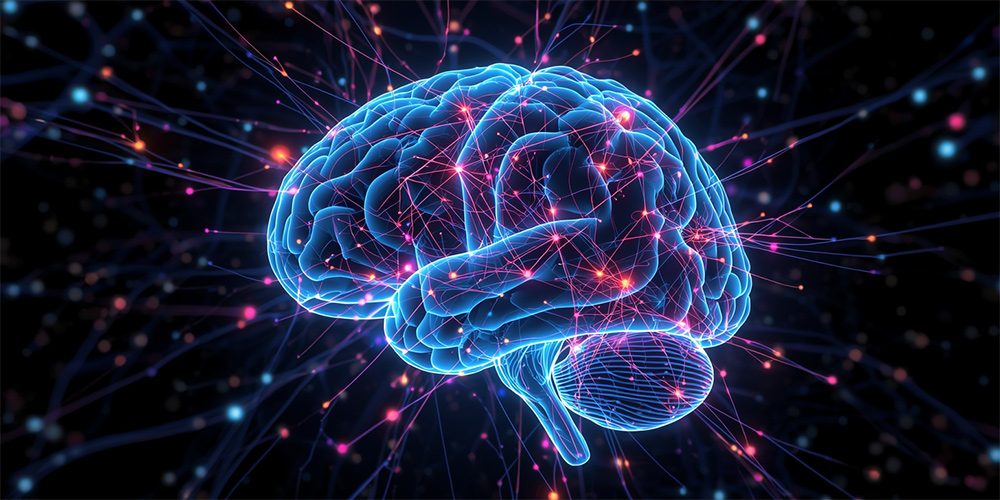
Psilocybin primarily acts on serotonin 5-HT2A receptors, leading to changes in mood, thought, and perception. Modern neuroscience reveals deeper insights:
The effects of psilocybin vary with dose, environment, and individual mindset. Common effects include:
For a detailed breakdown, see How Long Does It Take for Shrooms to Kick In?
To understand both sides of the spectrum, read Short-Term vs Long-Term Effects of Magic Mushrooms.
Microdosing involves taking very small, sub-hallucinogenic doses. It has become popular in U.S. wellness and tech communities, with claims of improved mood, focus, and creativity. While surveys suggest benefits, clinical evidence is still limited.
While psilocybin is considered non-addictive, it is not without risks:

Laboratory trials provide controlled insights, but naturalistic data reveal how psilocybin is used outside clinics.
These findings highlight both the appeal and the risks when psilocybin is used outside medical supervision.
Psilocybin is among the most studied psychedelics in modern clinical research.
The FDA has granted psilocybin “breakthrough therapy” status for treatment-resistant depression, accelerating research. However, large-scale phase III trials are still ongoing, and psilocybin is not yet an approved treatment.
While mental health dominates current research, new frontiers are opening:
These findings remain preliminary but highlight the expanding scope of psilocybin science.
The popularity of psilocybin has led to misinformation and unsafe products:
These cases emphasize the importance of reliable sources and lab testing when psilocybin becomes legally available.
For those exploring psilocybin where legal, these practices support safety:
Magic mushrooms sit at the crossroads of ancient tradition, modern neuroscience, and evolving culture. They show remarkable promise for mental health but also carry risks that require respect and caution.
In the U.S., their future lies in balancing scientific discovery, public safety, and personal curiosity. Anyone curious should approach psilocybin with awareness, responsibility, and respect for both its power and its limitations.
How long does a psilocybin trip last?
Typically 4–6 hours, with lingering aftereffects for up to 24 hours.
Can psilocybin help with depression?
Clinical trials show promise, especially for treatment-resistant depression, but it is not yet FDA-approved.
What is microdosing?
Taking sub-perceptual doses (0.1–0.3g) to potentially boost mood and cognition, though evidence is still limited.