
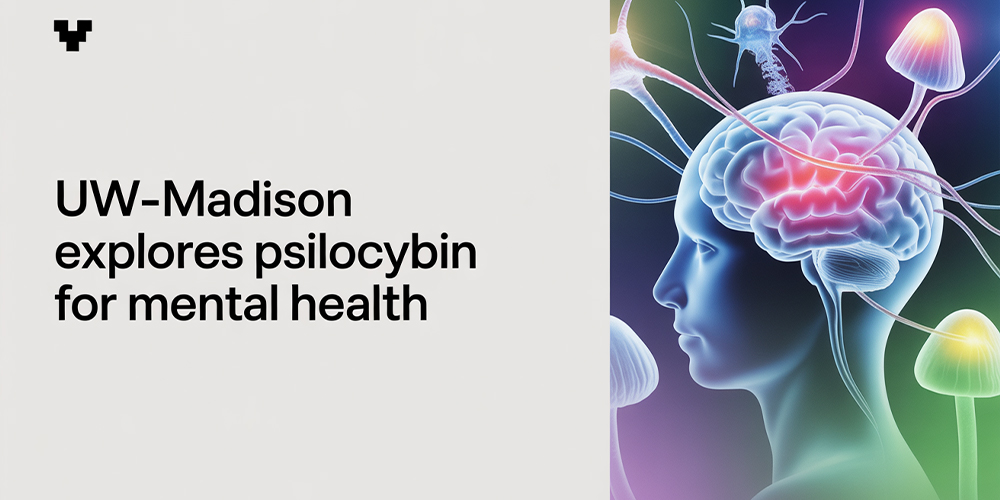
Researchers at the University of Wisconsin–Madison are stepping into uncharted scientific territory as they study psilocybin—the active compound in so‑called “magic mushrooms”—for its potential to reshape mental health treatment. With a series of clinical trials underway, UW‑Madison is positioning itself as a leader in psychedelic medicine research, examining whether psilocybin can help patients struggling with addiction, depression, and other conditions where conventional treatments often fall short.
At the heart of UW‑Madison’s efforts are two first‑of‑their‑kind clinical trials testing psilocybin for people living with opioid use disorder (OUD) and methamphetamine use disorder. These phase 1 trials are designed to assess safety and feasibility rather than efficacy, but researchers hope they will lay the foundation for larger, more definitive studies.
Participants stabilized on buprenorphine for opioid use disorder, for example, are receiving two supervised psilocybin sessions spaced four weeks apart. Each session is embedded within a structured therapeutic framework that includes preparation and post‑experience integration. A parallel trial is exploring similar protocols for individuals struggling with methamphetamine misuse.
Beyond addiction, UW‑Madison is running two additional FDA‑authorized studies with PEX010, a botanical psilocybin drug candidate developed by Filament Health. These trials explore psilocybin’s effects on neuroplasticity—the brain’s ability to form new connections—and whether these changes translate into improved mental well‑being. One study, dubbed the ENHANCE Trial, involves around 100 healthy volunteers, while the RECAP2 Study is targeting individuals with mild declines in mental health.

Mental health care in the U.S. is under immense strain. Rates of depression, anxiety, and addiction continue to climb, while existing treatments like SSRIs and methadone often leave patients without lasting relief. Psilocybin represents a radical alternative: a therapy administered only a few times under supervision, but with the potential for enduring benefits.
Early evidence from other institutions has shown psilocybin can relieve treatment‑resistant depression and reduce end‑of‑life anxiety. UW‑Madison’s trials aim to add to this growing body of evidence, particularly in areas where therapeutic options are most limited, like methamphetamine addiction. If successful, the studies could transform the standard of care for patients who have exhausted traditional approaches.
Despite the promise, the path forward is complex. Psilocybin remains a Schedule I substance under federal law, forcing researchers to navigate strict regulatory hurdles. Trials are still small in scale, making it difficult to generalize findings broadly. Blinding participants to whether they’ve received psilocybin or placebo also poses unique challenges, given the unmistakable nature of a psychedelic experience.
Integration—helping patients make sense of and apply their psychedelic experiences—is another critical component. Without proper therapeutic support, psilocybin’s benefits may be fleeting or even destabilizing.
UW‑Madison’s leadership in psilocybin research comes at a moment when states like Oregon and Colorado are already moving toward regulated psilocybin therapy. Meanwhile, the FDA has granted “breakthrough therapy” designation to psilocybin for depression, signaling openness to new psychiatric tools.
Wisconsin itself has seen calls for more research access, particularly for veterans struggling with PTSD and substance misuse. By spearheading rigorous studies, UW‑Madison is positioning the state as a serious player in the national psychedelic conversation.

The next few years will be crucial. Results from UW‑Madison’s opioid and methamphetamine trials could inform whether larger studies—and eventually, real‑world clinical use—move forward. Neuroplasticity findings may also reveal new ways to measure and optimize mental health outcomes.
If the evidence continues to build, psilocybin could move from counterculture icon to mainstream medical tool, reshaping how we treat some of the toughest mental health challenges.