
Seattle residents are increasingly traveling abroad for psilocybin therapy, as Washington state lags behind Oregon and Colorado in providing regulated access to psychedelic-assisted mental health treatments. Retreats in Jamaica are drawing Americans seeking relief from depression, anxiety, and trauma, reflecting both a growing demand and a widening gap in domestic policy.
The surge in interest around psilocybin therapy is tied to promising research showing its effectiveness in addressing treatment-resistant depression, PTSD, and end-of-life anxiety. Seattle, with its progressive reputation and deep ties to mental health advocacy, has become a hub of demand. Yet, residents find themselves without local options for supervised therapy sessions.
As a result, many are booking retreats in Jamaica, one of the few countries where psilocybin use is fully legal. These retreats typically last several days, blending ceremonial, therapeutic, and clinical approaches. Packages often include group and individual dosing sessions, integration therapy, and wellness programming. Costs run high — around $6,500 for a week-long stay — making accessibility a concern.

While Oregon and Colorado have rolled out legal psilocybin programs with licensed facilitators, Washington state has been slower to act. Pilot studies are underway, but no comprehensive framework exists for safe, regulated psilocybin therapy. For many patients, waiting is not an option.
“People struggling with depression and anxiety can’t always wait years for lawmakers to approve access,” noted one Seattle mental health advocate. “These retreats abroad are filling a gap, but at a cost that excludes most people.”
For some, the decision to travel is about more than legality — it’s about safety. Underground psilocybin use exists in Washington, but without regulation, patients risk uncertain dosages, lack of therapeutic support, and unsafe environments.
Retreat centers in Jamaica are marketing themselves as wellness destinations, combining Western psychotherapy models with local traditions. A typical retreat includes:
These programs are run by facilitators who may include therapists, coaches, or spiritual guides. While not subject to U.S. medical regulations, some centers employ licensed clinicians from abroad.

At $6,500 per retreat, psilocybin therapy remains out of reach for most. Insurance does not cover these programs, and the international travel requirement adds another layer of exclusivity. This raises equity concerns: those with resources can access promising therapies, while those without must wait for state-level reforms or turn to unregulated underground use.
Meanwhile, Washington residents with limited means are left behind, deepening disparities in mental health care access.
Oregon became the first state to legalize supervised psilocybin therapy in 2020, with licensed services beginning in 2023. Colorado followed suit with its own regulated model. Washington, however, has only authorized limited research pilots.
This patchwork of state laws reflects broader uncertainty around psychedelics in the U.S. While the FDA has granted breakthrough therapy designations for psilocybin research, federal law continues to classify it as a Schedule I drug. This leaves states to navigate policy reforms piecemeal.
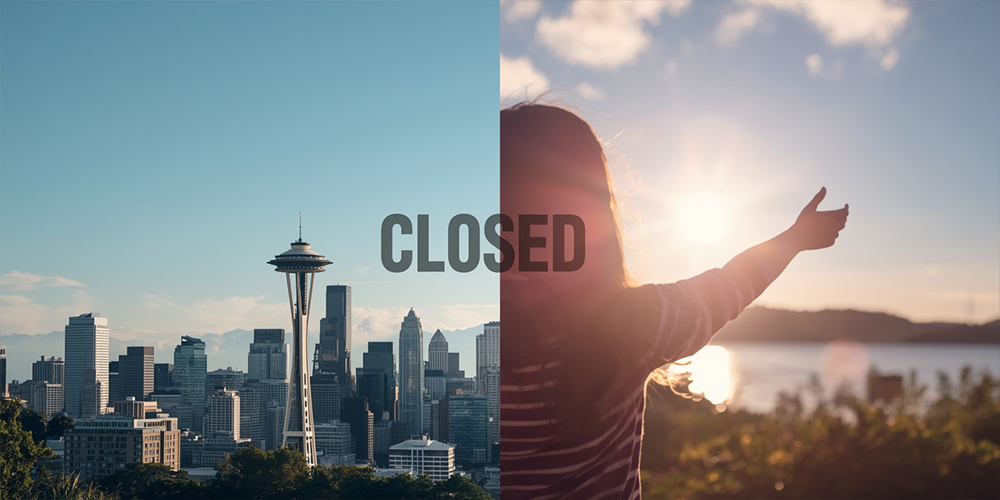
Lawmakers in Washington are facing increasing pressure to expand access. Advocates point to Oregon’s early data showing safe and effective implementation, while opponents cite regulatory, ethical, and public health concerns. As residents continue to travel abroad, the pressure on Washington’s legislature to act will only intensify.
The longer the state delays, the more it risks exporting both patients and potential revenue to international retreats and neighboring states. Seattle’s progressive reputation may not be enough to prevent it from falling behind in the growing psychedelic health movement.